School to Career Pathway
Success Stories
 Albany International Corporation likes to say it makes paper smoother, tissue softer, and aircrafts lighter. It takes a high level of competency to make fabrics, belts, and other components do that. In order to ensure its many advanced manufacturing techniques are mastered by a new generation of employees, it’s taking on an additional goal: making the workforce stronger.
 BAE Systems, an aerospace defense company located in Southern New Hampshire, brings a new level of innovation to everything they do. Education is no exception.
 As one of New Hampshire’s largest employment sectors, a shortage of qualified workers in healthcare is not just a labor concern. It’s a public health concern.
 When you want to address a critical health issue, you go where the experts are. The medical staff at
  For financial planners, “today” is important, but “tomorrow” is priority. The secret to success is doing things now that will achieve the best result tomorrow. Just like evaluating today’s economic trends to determine the financial needs of the future, Fidelity Investments is examining today’s labor pool to determine what their own workforce needs will be down the road.
 The soft hum of sewing machines greets your ears as you walk onto the floor of Globe Manufacturing. When the company started making protective coats for firefighters in the 1880s, all an employee needed to know was how to cut and stitch by hand. Today, employees at the oldest and largest producer of firefighter turnout gear in the world need to know how to operate the industrial equipment that assembles the coats and pants to rigorous specifications.
 While many large businesses can tell you about the difficulties they face filling open positions in the current job market, a shallow labor pool may affect small businesses even more. When fewer hands are utilized to make products, it’s particularly important each employee has the necessary skills to be productive. And it’s particularly disruptive to operations when a job remains unfilled because suitable candidates are hard to come by.
 For many people in the Granite State, the Grappone name is a familiar one. Over the course of four generations, the Grappone family has been a fixture in Concord, known not only for the cars they sell, but also for their commitment to the community.
 At the cross-section of two highways in Milford sits
  Long before the issue of workforce adequacy was on the minds of New Hampshire employers and policy makers,
 Strong partnerships between education and industry can produce incredible results.
 The road to success begins with…well…a road. Pike Industries has been producing road asphalt and building roads roads since the 1870s, making it one of the largest construction materials supplier and road builders in New England. But the road for Pike has gotten bumpy when it comes to the outlook of the labor pool. The company recognizes that to maintain its competitive position it needs a reliable supply of adequately trained employees, something they’re not seeing on the horizon.
 Each day, about 15 students from the towns of Claremont and Langdon pile onto a yellow school bus. After the hiss of the air breaks and the grind of the engine’s gears, the bus lurches toward its final destination. Not the high school or the regional technical center. The doors open in front of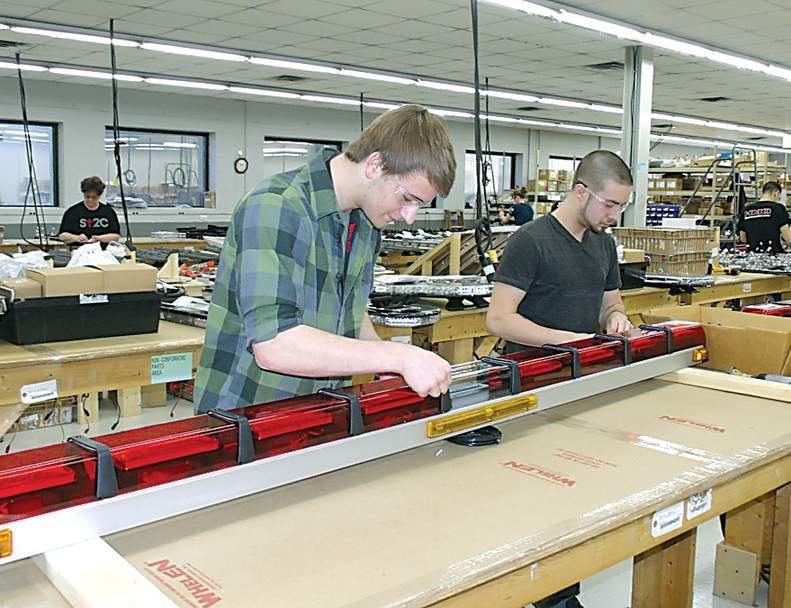
Valley Regional High School junior Jacob Beaulieu, with the help of production assembler Brandon Camp, puts together an ambulance light box at Whelen Engineering as part of a their educational program.
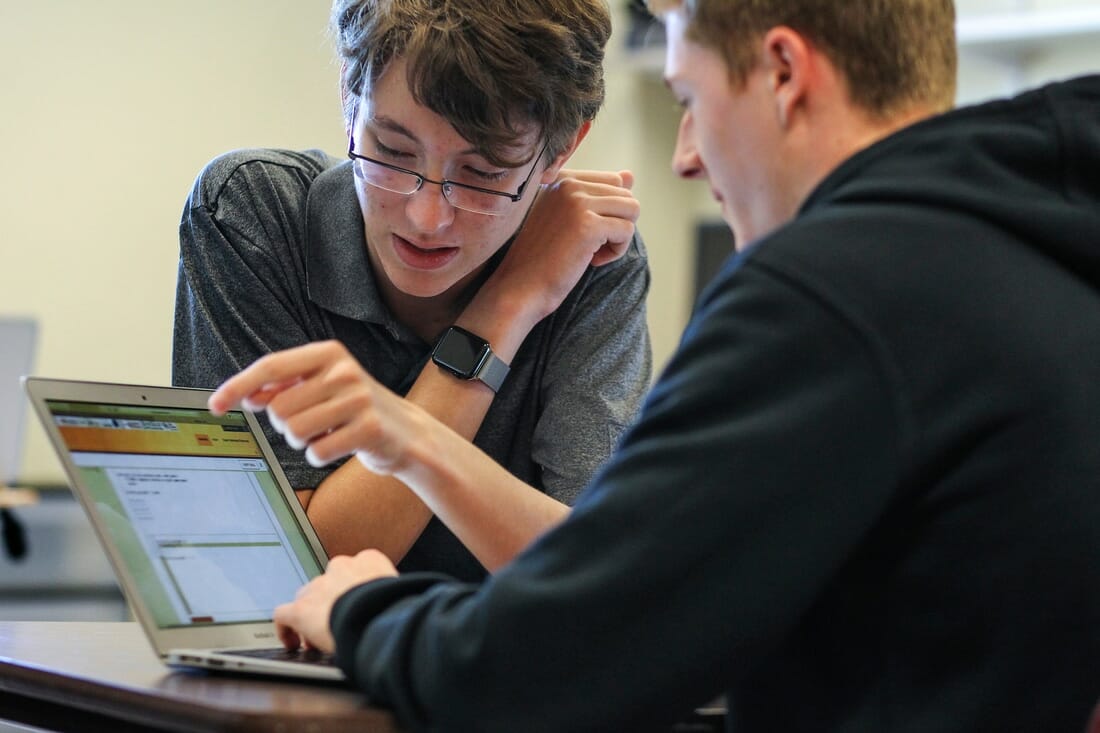
Students at Portsmouth High School are among those participating in programs designed to increase skills desired in the 21st century workforce.
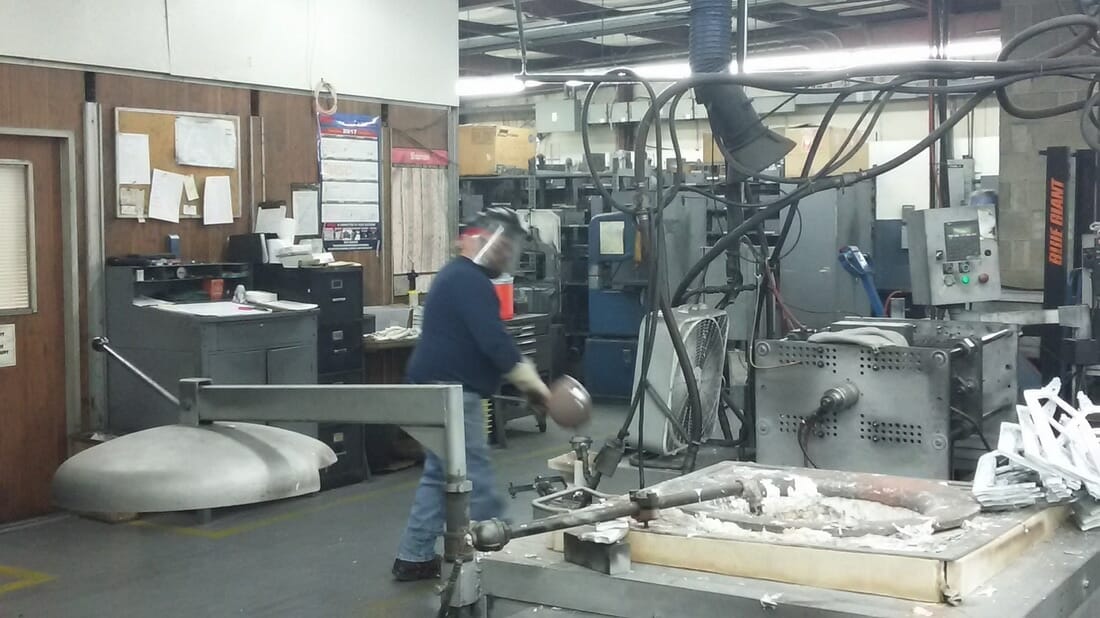
Manufacturers across NH, like Graphicast in Jaffrey, are putting their own initiatives together to address workforce needs.
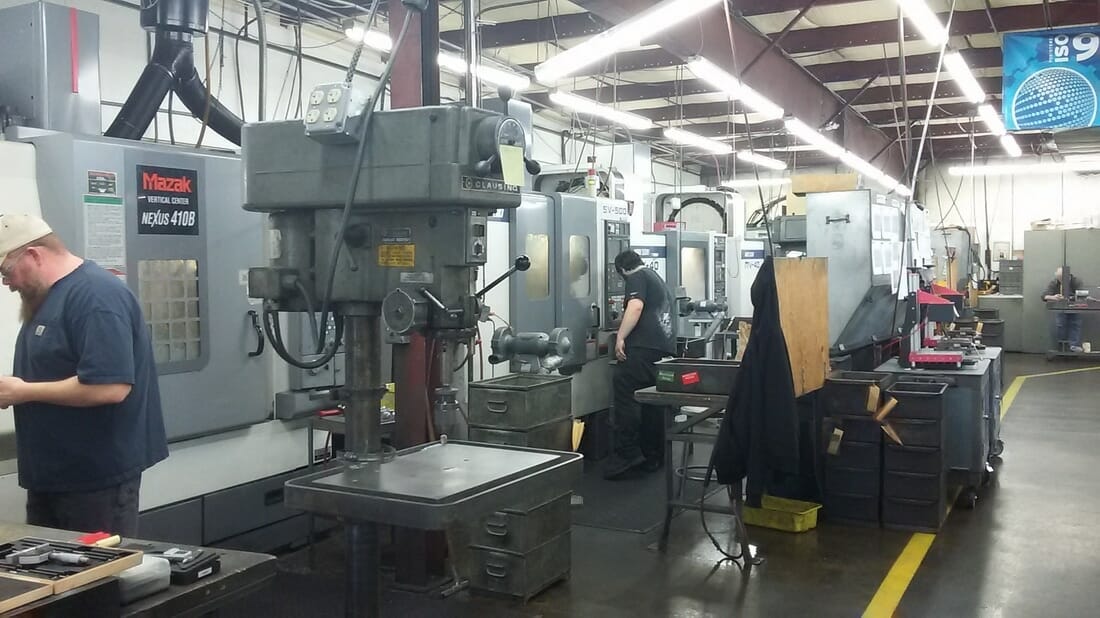
Manufacturers across NH, like Graphicast in Jaffrey, are putting their own initiatives together to address workforce needs.
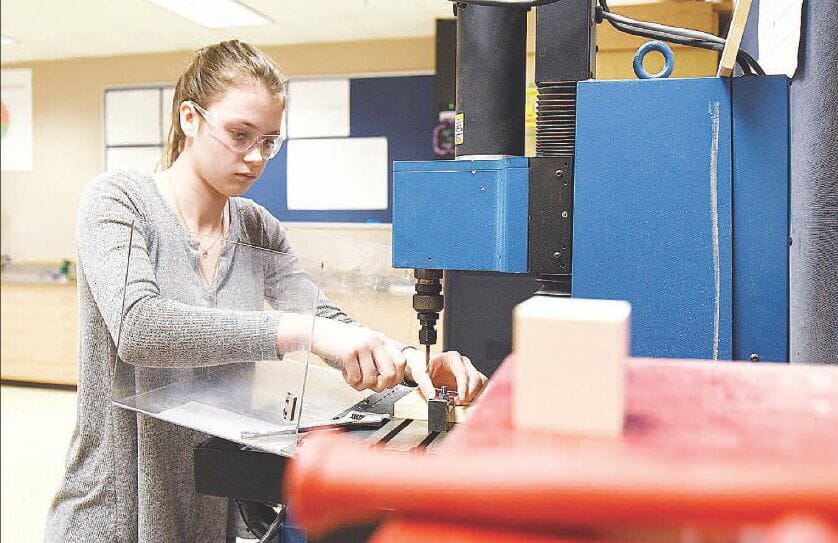
Samantha Cormier, a junior at Spaulding High School in Rochester, works in the engineering lab at the school’s technology center. She was setting up a computer-controlled milling machine.
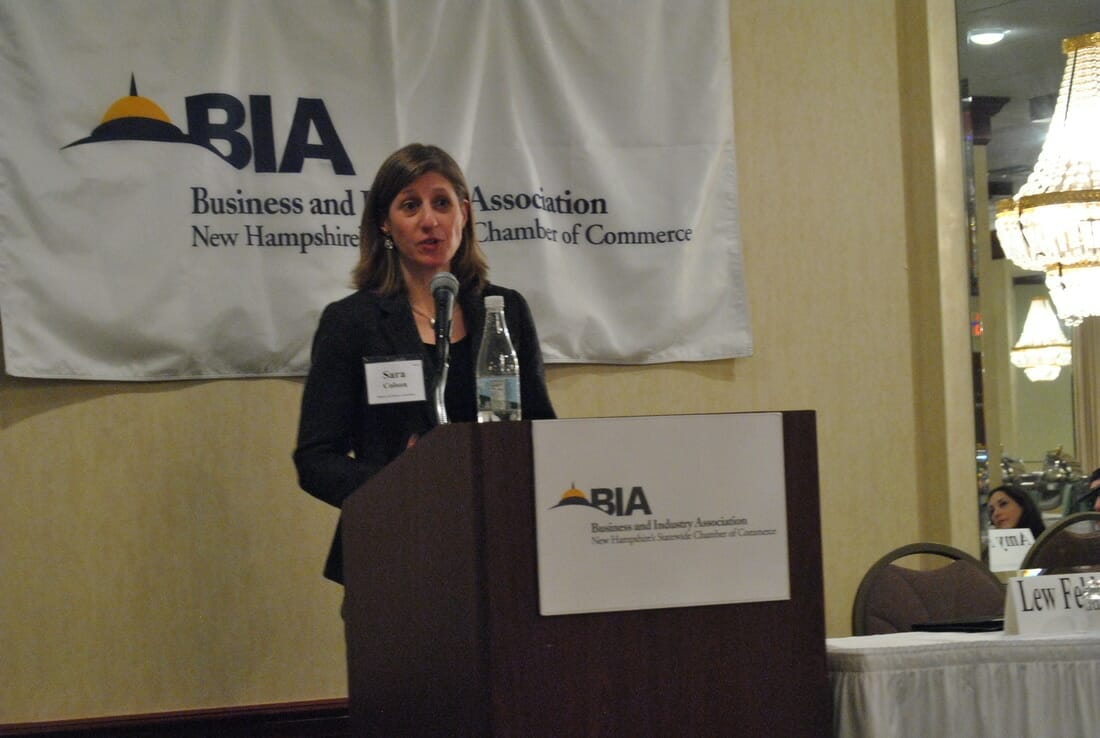
BIA Workforce Development Director Sara Colson addresses an audience of employers, educators, policy makers, and families to discuss the challenges of the current labor pool.
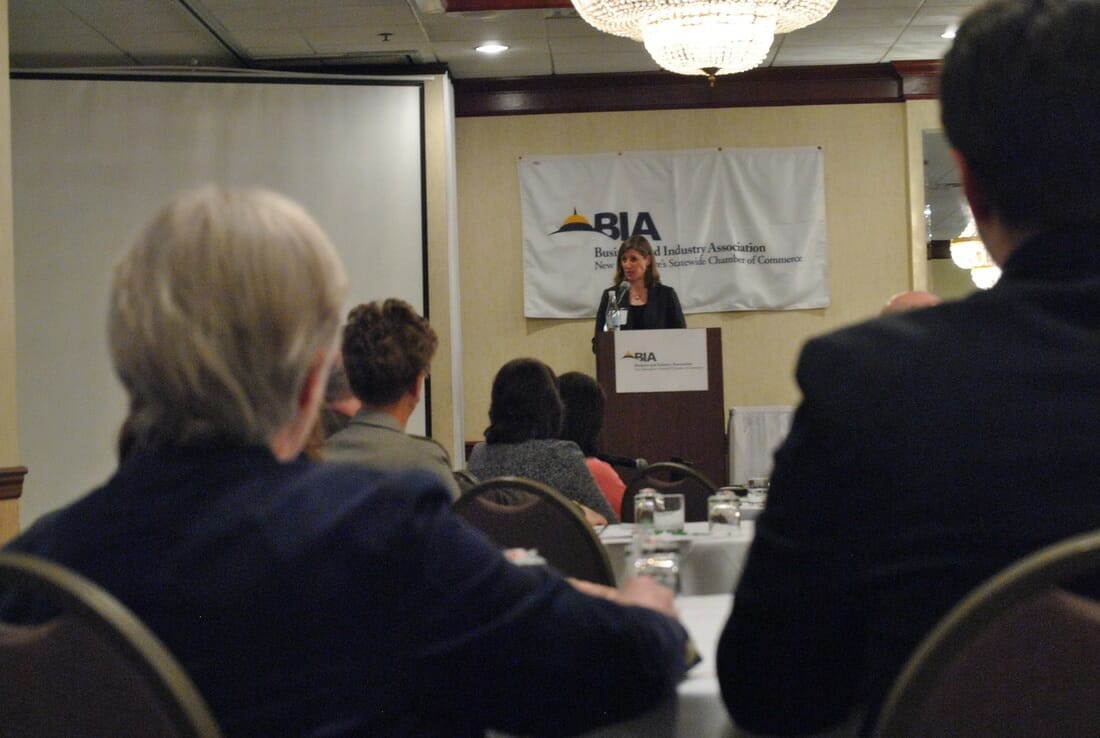
BIA Workforce Development Director Sara Colson addresses an audience of employers, educators, policy makers, and families to discuss the challenges of the current labor pool.
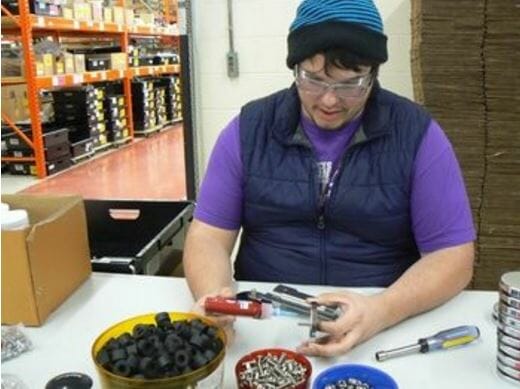
Riley Murray, 19, of Claremont, works on assembling parts at Whelen Engineering in Charlestown.

Graphicast CEO Val Zanchuk is a leader in advancing NH's future workforce.